

I thought relapse would feel reckless.
I thought there would be this dramatic moment where I stopped caring and decided to throw everything away.
That’s not what happened.
What actually happened was much quieter. Much sadder.
I got tired of feeling empty.
And honestly, I think a lot of relapsed alumni understand that feeling better than they admit out loud.
Because after you’ve been sober for a while — especially after 90 days, six months, or a year — people stop checking in the same way. The crisis passes. You look functional again. Everyone assumes you’re “doing great” because you’re no longer actively falling apart.
Meanwhile, you may be fighting a completely different battle underneath the surface.
That was me.
I wasn’t obsessing about getting high every second. I wasn’t sitting around fantasizing about destroying my life. I was trying to survive this growing emotional numbness that sobriety alone didn’t seem to fix.
And when I finally reached out for help through depression treatment support, I realized something that changed the way I understood my relapse completely:
Sometimes people relapse because they miss relief more than they miss substances.
That distinction matters.
I Thought Sobriety Would Automatically Make Me Feel Alive Again
Early recovery can feel intense in ways people don’t always talk about.
At first, there’s movement everywhere. Meetings. Phone calls. Milestones. People telling you they’re proud of you. Small victories stacked on top of each other.
And in the beginning, that structure can carry you.
But eventually, life settles down.
You go back to normal routines. Work. Laundry. Bills. Long afternoons alone with your thoughts.
That’s where things started changing for me.
I remember hitting several months sober and waiting for this feeling everyone talked about — peace, clarity, joy, gratitude. I thought one day I’d wake up and finally feel connected to my life again.
Instead, I mostly felt flat.
Not constantly miserable. That would’ve almost been easier to identify.
I felt emotionally muted.
Like someone had turned the volume down on everything inside me.
Music didn’t hit the same. Conversations felt distant. Even good moments struggled to fully land emotionally.
I kept thinking:
“Maybe this is just adulthood.”
“Maybe everyone secretly feels like this.”
“Maybe I’m expecting too much.”
But deep down, I knew something still wasn’t right.
Relapse Usually Starts Long Before the Substance
This is one of the hardest truths I had to learn.
Relapse didn’t begin the night I used.
It began weeks — maybe months — earlier.
It started when I stopped talking honestly because I didn’t want people worrying about me.
It started when I got tired of hearing myself say I was struggling.
It started when I began performing recovery instead of actually participating in it emotionally.
I knew all the right things to say:
- “One day at a time.”
- “Grateful to be sober.”
- “Just trusting the process.”
But internally? I was exhausted.
There’s a specific loneliness that happens when everyone congratulates the version of you they think is healed while you quietly feel yourself slipping emotionally further away from life.
That loneliness is dangerous.
Especially for people with underlying depression.
Depression in Recovery Can Feel Like Emotional Static
People talk a lot about cravings in recovery.
They talk less about emotional emptiness.
But for some of us, that emptiness becomes the real battle.
Depression after sobriety doesn’t always look dramatic. Sometimes it looks functional from the outside.
You still go to work.
You still answer texts eventually.
You still show up to meetings.
But internally, life starts feeling colorless.
Like emotional static humming quietly in the background every day.
For me, it looked like:
- Feeling disconnected from everyone around me
- Losing interest in things I used to care about
- Emotional numbness more than sadness
- Constant exhaustion no amount of sleep fixed
- Pulling away from people without fully realizing it
- Feeling guilty for not feeling “grateful enough”
- Thinking about escape constantly, even if I wasn’t thinking specifically about substances
That last part matters.
Because sometimes relapse isn’t driven by excitement.
Sometimes it’s driven by desperation for relief from your own mind.
Nobody Talks Enough About the Grief Inside Recovery
I wasn’t prepared for how much grief sobriety would uncover.
Not just grief about addiction.
Grief about myself.
The years I lost. Relationships I damaged. Versions of me I barely recognized anymore. Dreams I abandoned somewhere along the way.
Once substances disappeared, all those emotions stopped being blurred.
And honestly? Some days it felt unbearable.
There’s this misconception that sobriety instantly creates emotional clarity. Sometimes it actually creates emotional exposure first.
You suddenly feel everything without the anesthetic you relied on for years.
That can be beautiful eventually.
But at first, it can feel raw enough to skin you alive emotionally.
Especially if nobody’s helping you address the depression underneath the addiction itself.
I Thought Asking for Mental Health Help Meant I Was Failing Recovery
This part kept me stuck for longer than I want to admit.
I believed needing additional help meant I wasn’t “doing sobriety right.”
Like if I were stronger, more spiritual, more disciplined, I wouldn’t still feel so hollow.
So instead of reaching out honestly, I minimized everything.
I told myself:
“Other people have it worse.”
“At least I’m sober.”
“I just need to push through this.”
But untreated depression has a way of slowly shrinking your world.
You stop looking forward to things.
You stop feeling emotionally connected to people.
You stop imagining a future that actually feels livable.
And eventually, substances stop sounding exciting and start sounding quiet.
That’s the terrifying part.
Not the chaos.
The relief.
The Night I Relapsed Wasn’t Loud
It was painfully ordinary.
No dramatic breakdown. No screaming. No giant collapse.
Just exhaustion.
I remember sitting alone thinking:
“I don’t want to feel like this for one more night.”
That thought still hurts to remember because it wasn’t really about wanting to get high.
It was about wanting relief from myself.
People who’ve never experienced depression inside recovery sometimes misunderstand relapse because they assume it always comes from recklessness or selfishness.
But emotional exhaustion changes the way people think.
When your nervous system feels overloaded for months, your brain starts searching for exits.
Substances become less about pleasure and more about interruption.
An interruption to sadness.
An interruption to emptiness.
An interruption to feeling emotionally trapped inside your own head.
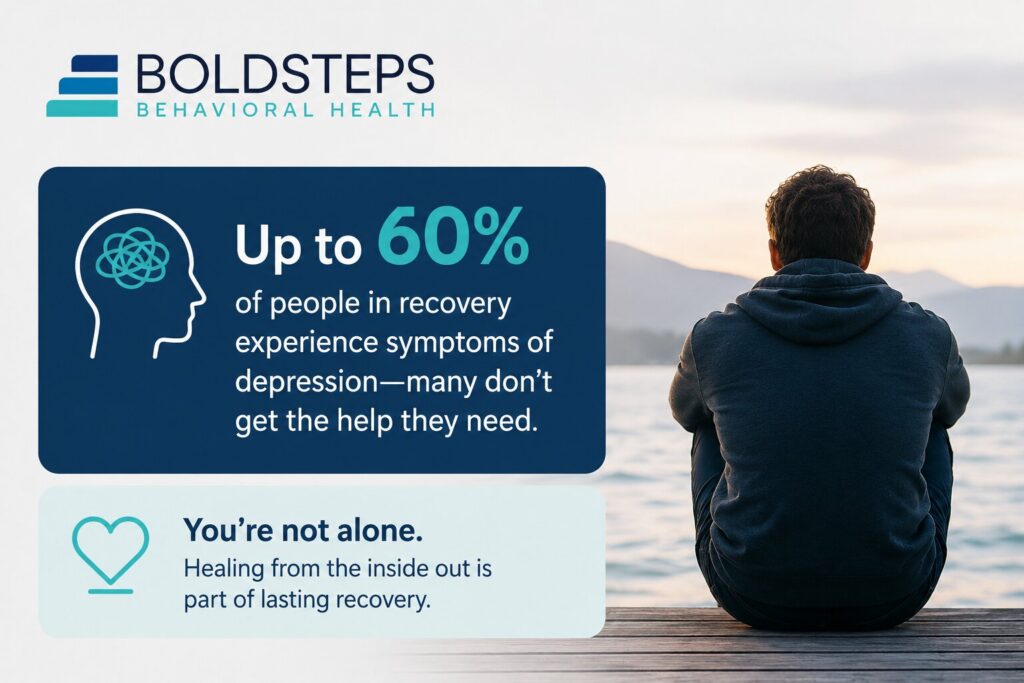
Shame Almost Kept Me Sick Longer
After I relapsed, the shame hit immediately.
Not just shame about using.
Shame about disappointing people.
Shame about “wasting” sober time.
Shame about secretly feeling relieved for a few hours.
That last part was the hardest to admit.
I think many relapsed alumni carry enormous guilt because part of the relapse did create temporary relief. And that can feel confusing and terrifying.
But relief is not the same thing as healing.
That distinction changed my life once I finally understood it.
Relapse relieved symptoms temporarily. It did not solve the pain underneath them.
If anything, it deepened the hopelessness afterward because now I had the depression and the shame.
The Conversation That Changed Everything
Somebody asked me a question after my relapse that I still think about constantly.
They said:
“Do you think you relapsed because you wanted to destroy your life… or because you were emotionally exhausted and didn’t know how to survive the emptiness anymore?”
I broke down crying immediately.
Because for the first time, someone understood the emotional reality underneath my relapse without excusing it or shaming me for it.
That conversation gave me permission to finally look at my mental health honestly.
Not as a side issue.
Not as weakness.
As something real that deserved treatment too.
That’s when I started getting actual support for depression instead of trying to white-knuckle emotional pain while pretending sobriety alone should fix everything.
Recovery Became Different Once I Stopped Performing It
For a long time, I thought recovery meant looking okay.
Saying the right things.
Keeping people reassured.
But real healing didn’t begin until I stopped trying to perform wellness and started being honest about how empty I felt.
That honesty changed the kind of support I allowed myself to receive.
It changed the conversations I had.
It changed the way I viewed relapse itself.
Not as proof I was hopeless — but as evidence that there were deeper emotional wounds I still needed help addressing.
That’s why some people eventually start searching for sadness treatment Concord NH support after relapse. Not because sobriety failed. Because recovery uncovered pain that substances had been masking for years.
And honestly, that realization may have saved my life.
You Are Not Back at the Beginning
If you’ve relapsed after meaningful sobriety time, I need you to hear this clearly:
You are not starting over from zero.
The growth still happened.
The sober days still mattered.
The lessons still exist inside you.
Even this pain is teaching you something important about what still needs care and attention.
Relapse can make people feel like frauds. Like they ruined every meaningful thing they built.
But healing is rarely linear.
Sometimes recovery asks deeper questions the second time around.
Questions like:
- What pain still hasn’t been addressed?
- What emotions feel impossible to sit with sober?
- Where am I still emotionally disconnected?
- Am I surviving… or actually living?
Those are painful questions.
But they can also become turning points.
FAQ
Is relapse after long-term sobriety common?
Yes. Many people relapse after months or even years sober, especially when underlying mental health struggles like depression or anxiety remain untreated. Relapse does not erase your progress or mean recovery is impossible.
Can depression increase relapse risk?
Absolutely. Emotional numbness, hopelessness, exhaustion, and untreated depression can make relapse more likely because substances may temporarily relieve emotional pain or overwhelm.
Why do I feel empty even though I’m sober?
Sobriety removes substances, but it doesn’t automatically heal grief, trauma, loneliness, depression, or emotional disconnection. Many people need additional mental health support after getting sober.
Does relapse mean treatment failed?
No. Relapse often means additional support, treatment adjustments, or deeper emotional healing may still be needed. Many people build stronger long-term recovery after relapse because they better understand what was missing.
What if I’m ashamed to ask for help again?
That shame is incredibly common. But many alumni return to treatment or support after relapse. Reaching out again is not weakness — it’s honesty.
What kind of support helps after relapse?
That depends on the person. Some people benefit from therapy focused on depression or trauma, while others need structured daytime care, peer support, medication management, or more consistent emotional support.
Can recovery still work after multiple relapses?
Yes. Many people with strong long-term recovery histories relapsed more than once before finding sustainable healing. Recovery is not ruined by setbacks.
If you relapsed because you were emotionally exhausted, numb, lonely, or quietly drowning inside your own thoughts, you are not broken beyond repair.
You may simply need support that addresses more than sobriety alone.
Call (603)915-4223 or visit our depression treatment services to learn more about our conditions, depression services in New Hampshire.