
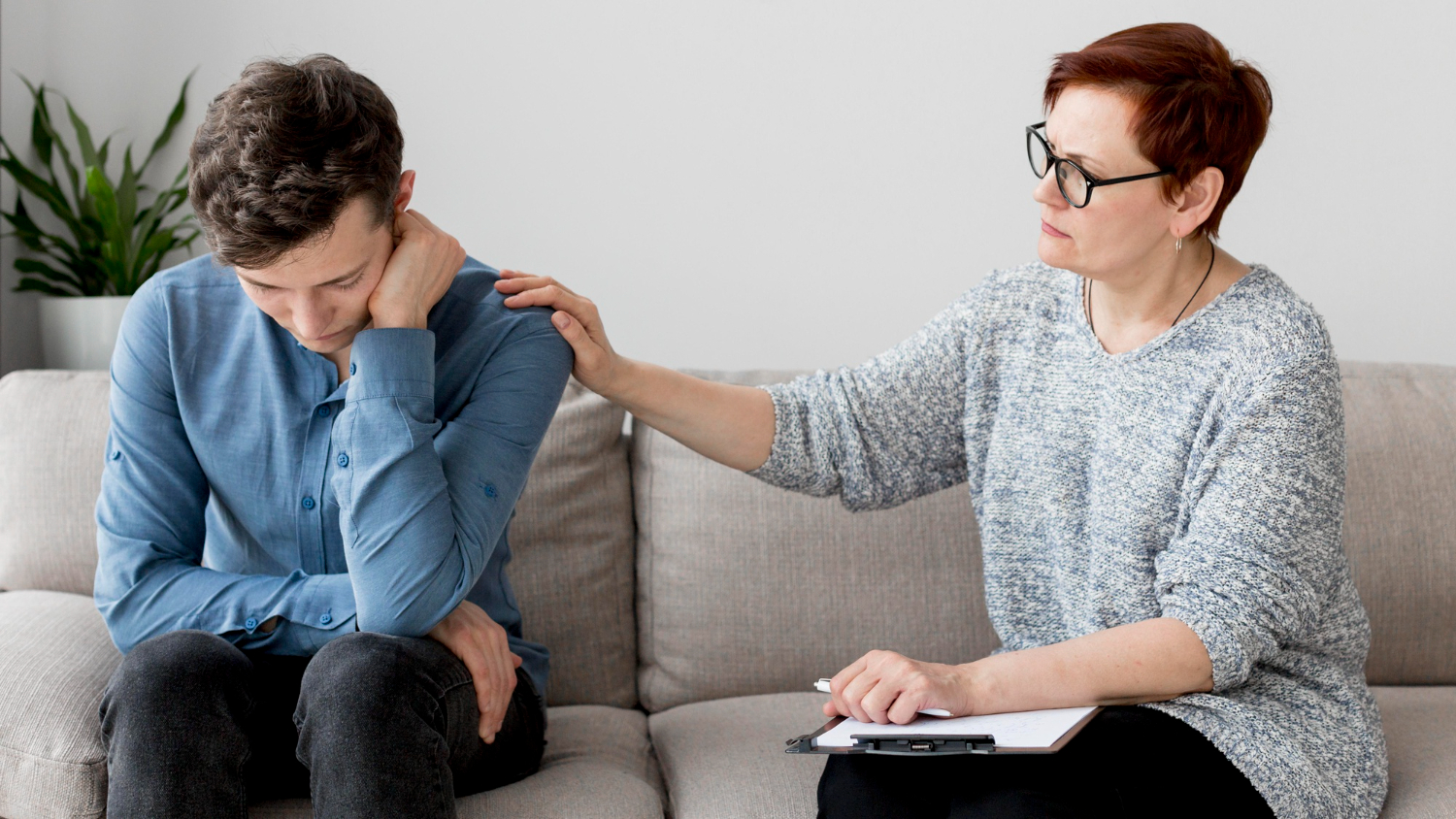
I walked out of my first treatment feeling more broken than when I walked in.
I’m not a “failure” because I relapsed—far from it. I did what I thought was supposed to work, in a place that told me “stick to the plan, it’ll fix you.” But it didn’t. Because the plan was built for someone else. And I was never honest enough to admit I was also failing myself before I walked in the door.
If you’ve ever thought, “Treatment didn’t help me,” or “Maybe I’m just not the kind of person that recovery is for,” I want you to keep reading. You’re not alone. And yes—there is a different way. A way that finally worked for me.
Here’s how my first attempt with opioid addiction treatment failed, how I contributed to its failure, and how I found something that stuck the second time.
When I tell this, I’m telling it to myself. I’m telling it to you who’s skeptical, jaded, exhausted. But also still hoping.
The First Time: I Showed Up Half In and Half Out
I went through the motions. I sat in the chairs. I wrote my name. But I didn’t show up present.
I was already convinced I wouldn’t stay long. I kept a mental exit plan. I measured everything by how fast I could return to “normal.” I didn’t want to lean into vulnerability. Because vulnerability felt dangerous. It felt like admitting I’d lost control.
So I withheld. I lied. I told half-truths in therapy. I nodded when I didn’t mean it. My resistance became a shield. And the program mistook compliance for readiness.
I thought if I could survive 30 days, I could go back to how things were. I didn’t realize how much I’d already changed inside—even if I refused to see it.
What the Program Didn’t Offer Me (And What I Needed)
It tried. But it didn’t quite reach what I needed.
- Safety, not performance: It felt like I needed to look good. Be “grateful.” Be compliant. But I needed someone to say, “You don’t have to perform here.”
- Tailoring, not one-size-fits-all: They gave me a general plan, but I had underlying trauma, shame, and mental illness that weren’t being addressed.
- Honesty about relapse: It was all “don’t relapse” messaging with zero space for relapse to be part of the path.
- Support beyond discharge: I walked out into the same world I was trying to escape—with no bridge.
These gaps matter. You might walk out of treatment “clean”—and still be worse off than when you walked in.
How I Failed Myself Too (Because I Needed To Look Inward)
This part is hard to share. But if you reading this now, I want you to see what I couldn’t see then.
I blamed the program. I blamed circumstances. I blamed everyone but me—until I realized that part of failure came from not taking my part.
- I didn’t let anyone in. I kept secrets.
- I refused to believe I was broken enough to need help.
- I compared myself to others who “looked” worse and used that as fuel to punish myself.
- I didn’t maintain even the basics—sleep, food, connection—when I got home.
So the first time failed because I wasn’t ready to be that honest—with other people, or with myself.

Relapse Wasn’t the End — It Was an Alarm
After a relapse, I didn’t spiral. (Well, I did a little.) But before I completely collapsed, I finally heard the alarm.
Too many nights with pills in hand. Too many mornings numb and disconnected. Too many false promises to “clean it up.” Too many times lying to myself that “I’m almost done this round.”
That whisper finally grew loud: I need help again. But not like last time.
I didn’t want to repeat the same mistakes. I didn’t want the same excuses. I wanted a treatment that recognized broken people don’t always recover with interventions meant for polished people.
The Second Time: I Came With My Eyes Half Open
I walked in with doubts. With scars. With what I’d call a wounded hope.
I told whoever asked: “I’m skeptical. I don’t believe in treatment. But I also can’t keep doing this.” That honesty forced the space for a different kind of beginning.
This time, I did three things differently from Day 1:
- Admitting I wasn’t buying what I was being sold. If a program expected a show of gratitude, a neat label, a fast “fix”—I knew it was for someone else.
- Holding myself accountable. I asked: “What have I done to undermine myself before?” I watched my patterns.
- Asking questions. A lot of them. What does relapse look like here? How do you measure success? What’s your plan when someone leaves?
And I looked for a program that answered them—not with sales pitch, but with truth.
I chose Bold Steps New Hampshire. Because they didn’t need me to believe in recovery yet. They needed me to come in. That was enough.
What Changed Because I Got the Right Treatment
It wasn’t magic. It wasn’t quick. But it was real.
- I stopped hiding. And when you stop hiding, other pieces begin to heal.
- I learned relapse was not a failure but a signal. It redirected me to the edges of my plan so I could strengthen it.
- I developed tools to sit with pain instead of running from it.
- I built relationships I could trust—because I was honest about my brokenness.
- I re-entered life—work, family, ambition—not as someone trying to get clean, but someone working toward being whole.
I still have ambition. I still have high standards. But now I carry my pain differently—not as shame, but as part of my story.
FAQs That I Wish Someone Had Asked Me
Q: If treatment “failed me,” does that mean I can’t recover?
No. A first failure doesn’t disqualify you. It might be a sign you were never matched with the right kind of help. You can try again differently.
Q: How will I know if a program will “get me”?
Ask about how they handle relapse, how they treat skepticism, how they support clients after treatment. Watch how they talk to resistance, not just enthusiasm.
Q: Should I wait until I’m “ready”?
You never feel fully ready. Healing is messy. Being willing to be good enough, even uncertain, is sometimes the real readiness.
Q: What if I don’t trust addiction treatment anymore?
Bring that. Say it. Good programs will let you start from that skepticism—not demand you lie to get in.
Q: What if I relapse again?
That doesn’t mean you failed. It’s a signal you’re still alive and still learning. A program worth its care won’t eject you. It helps you rebuild.
To the Version of Me Who Walked Out That First Time…
I’m sorry you felt invisible. I’m sorry they didn’t ask enough hard questions. I’m sorry you left thinking you were beyond help.
But also—I’m proud you survived. Proud you didn’t stop seeking. Proud you didn’t let that failure eat you to the bones.
You deserve another shot. You deserve care that doesn’t demand you lie or pretend. You deserve a treatment that sees your edges and meets you there.
If you’re reading this and part of you says, “I’ve tried, it didn’t work”—I hear you. I’m you. And I also know that failure is not the final chapter.
Call (603)915-4223 to learn more about our opioid addiction treatment services in Concord, NH. If you’re looking for opioid addiction treatment in Merrimack County, NH or nearby in Rockingham County, you have options. Let this be your second chance—not at perfection, but at honest trying.
You deserve a recovery that works for you—not against the parts of you that were already broken.