

Recovery is a deeply personal journey, and finding the right treatment program is essential for long-term success. Outpatient Addiction Treatment is a highly effective and flexible approach that allows individuals to receive structured care while continuing their daily responsibilities.
At Bold Steps Behavioral Health in New Hampshire, we offer comprehensive outpatient treatment programs, including Partial Hospitalization Programs (PHP), Intensive Outpatient Programs (IOP), and traditional Outpatient Treatment Programs. Our evidence-based approach ensures individuals receive the right level of care while addressing both substance use disorders and co-occurring mental health conditions.
This guide will explore what to expect from outpatient addiction treatment, its benefits, and how to determine if it is the right fit for you.
Understanding Outpatient Addiction Treatment
Outpatient addiction treatment is a flexible, structured program that provides therapy, counseling, and medical support while allowing individuals to live at home and continue working, attending school, or fulfilling family responsibilities. Unlike inpatient rehab, which requires full-time residential care, outpatient programs offer scheduled treatment sessions, giving individuals the ability to balance recovery with everyday life.
Key Features of Outpatient Addiction Treatment
- Individualized treatment plans based on the severity of addiction and personal needs.
- Evidence-based therapies, including Cognitive Behavioral Therapy (CBT), Dialectical Behavior Therapy (DBT), and trauma-focused therapy.
- Medical supervision when necessary, particularly for withdrawal management and mental health support.
- Flexible scheduling that allows individuals to integrate treatment into their daily lives.
- A combination of group and individual therapy to encourage accountability and personal growth.
Outpatient programs vary in intensity and structure, ensuring that individuals receive the right level of support at each stage of their recovery.
Types of Outpatient Addiction Treatment Programs
At Bold Steps Behavioral Health, we provide various levels of outpatient care to meet each individual’s unique recovery needs.
Partial Hospitalization Program (PHP)
A Partial Hospitalization Program (PHP) is the most intensive level of outpatient care. It is designed for individuals who require structured treatment but do not need 24/7 residential care. PHP is often used as a step-down from inpatient rehab or as a primary treatment option for those with severe addiction and mental health concerns.
What to Expect in PHP
- Structured therapy sessions five to six days per week, lasting six to eight hours per day.
- Individual, group, and family therapy to address addiction, behavioral health, and co-occurring mental health disorders.
- Medication management and psychiatric support for those with dual diagnosis conditions.
- Holistic therapies, such as mindfulness, yoga, and meditation, to support emotional healing.
Intensive Outpatient Program (IOP)
An Intensive Outpatient Program (IOP) offers structured therapy with more flexibility than PHP. Individuals typically attend treatment three to five times per week, with sessions lasting two to four hours per day.
What to Expect in IOP
- A balance between therapy and daily responsibilities such as work, school, or family obligations.
- Evidence-based therapy methods, including CBT and DBT, to address addiction and mental health challenges.
- Relapse prevention education and coping skills training.
- Peer support groups that provide connection and accountability.
Traditional Outpatient Treatment Program
A traditional outpatient treatment program is a less intensive form of care, providing ongoing therapy and support while individuals transition into independent recovery.
What to Expect in Outpatient Treatment
- Weekly individual and group therapy sessions.
- Support groups such as 12-Step meetings or alternative recovery groups.
- Continued medical and psychiatric care as needed.
- A flexible treatment schedule with fewer required sessions per week.
Outpatient treatment serves as a long-term support system for individuals who have already completed higher levels of care or for those with mild substance use disorders.
The Role of Virtual Treatment Programs in Outpatient Care
For individuals who face barriers to attending in-person treatment, Virtual Treatment Programs provide an accessible way to engage in professional addiction therapy from the comfort of home.
What Virtual Treatment Offers
- Online therapy sessions with licensed addiction counselors.
- Flexible scheduling that allows individuals to receive treatment without disrupting daily responsibilities.
- Confidential support through secure telehealth platforms.
- Access to medical and psychiatric care remotely.
Virtual outpatient programs make addiction treatment more accessible, especially for those who have mobility issues, live in remote areas, or have work-related constraints.
Benefits of Outpatient Addiction Treatment
Flexibility and Accessibility
Outpatient treatment allows individuals to continue their responsibilities while receiving professional care. This flexibility makes it easier to maintain relationships, stay employed, and avoid major life disruptions.
Comprehensive Dual Diagnosis Treatment
Many individuals with substance use disorders also struggle with co-occurring mental health conditions, such as depression, anxiety, or PTSD. Dual Diagnosis Treatment Programs in outpatient care address both addiction and mental health conditions to support long-term stability.
Lower Cost Compared to Inpatient Treatment
Outpatient programs are typically more affordable than inpatient rehab while still providing high-quality, evidence-based care.
Long-Term Recovery Focus
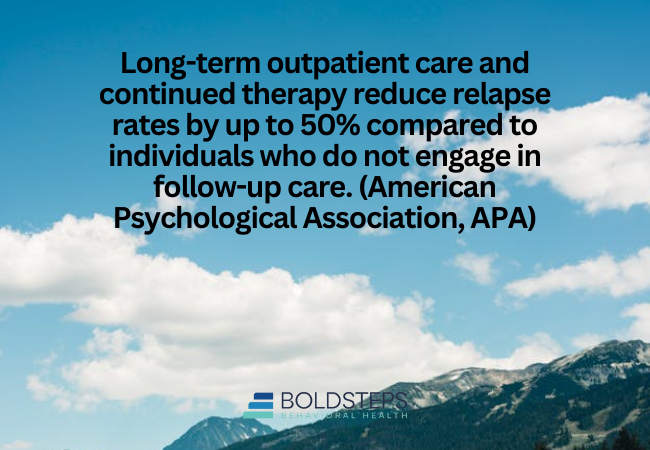
Since outpatient programs extend beyond initial detox and early recovery phases, they help individuals develop long-term coping skills, relapse prevention techniques, and emotional regulation strategies.
Is Outpatient Addiction Treatment Right for You?
Outpatient treatment is highly effective, but it is not the right choice for everyone. It is best suited for individuals who:
- Have a stable home environment that supports their recovery.
- Need flexibility to continue work, school, or family obligations while in treatment.
- Are motivated to actively participate in therapy and make behavioral changes.
- Have completed detox or inpatient rehab and require continued support.
Outpatient treatment may not be the best option for individuals who:
- Have severe addiction requiring 24/7 medical supervision.
- Are at high risk for relapse or self-harm.
- Lack a safe and supportive living environment.
If you are unsure whether outpatient treatment is the right fit, our team at Bold Steps Behavioral Health can provide a comprehensive assessment to determine the most effective path for your recovery.
Why Choose Bold Steps Behavioral Health for Outpatient Treatment?
At Bold Steps Behavioral Health in New Hampshire, we provide personalized outpatient programs designed to help individuals maintain sobriety while balancing everyday life.
Our Approach to Outpatient Treatment
- Individualized treatment plans tailored to each person’s unique needs.
- A full continuum of care, including PHP, IOP, and standard outpatient programs.
- Dual Diagnosis Treatment for individuals with co-occurring mental health disorders.
- A combination of evidence-based and holistic therapies to promote long-term recovery.
- Virtual treatment options for individuals needing remote access to care.
Our experienced team is committed to helping individuals build a strong foundation for lifelong recovery.
Conclusion
If you or a loved one is considering outpatient addiction treatment, Bold Steps Behavioral Health is here to help. Our comprehensive, compassionate programs provide the tools needed to achieve lasting sobriety and wellness.
Call us today at (603) 915-4223 or visit Bold Steps Behavioral Health to learn more about our Addiction Treatment Programs, Intensive Outpatient Programs, and Virtual Treatment Programs. Take the bold step toward lasting recovery today.
FAQ About Outpatient Addiction Treatment
What is outpatient addiction treatment?
Outpatient addiction treatment is a structured program that allows individuals to receive therapy and medical support while continuing to live at home. It includes individual and group therapy, medical supervision, and relapse prevention strategies without requiring 24/7 residential care.
How does outpatient treatment differ from inpatient rehab?
Inpatient rehab requires individuals to live at a treatment facility full-time, while outpatient programs allow individuals to attend scheduled therapy sessions while maintaining work, school, and family commitments. Outpatient care provides flexibility and accessibility while still offering structured addiction treatment.
What types of outpatient treatment programs are available?
At Bold Steps Behavioral Health, we offer:
- Partial Hospitalization Program (PHP): Intensive, structured therapy 5-6 days per week.
- Intensive Outpatient Program (IOP): Structured treatment with a flexible schedule, typically 3-5 days per week.
- Outpatient Treatment (OP): Weekly therapy sessions focused on relapse prevention and long-term recovery support.
- Virtual Treatment Programs: Online therapy sessions for those who cannot attend in-person treatment.
Who is a good candidate for outpatient addiction treatment?
Outpatient treatment is best for individuals who:
- Have mild to moderate substance use disorders.
- Have a stable and supportive home environment.
- Need flexibility to continue work, school, or family responsibilities.
- Are motivated to actively participate in therapy.
- Have completed detox or inpatient rehab and require ongoing support.
Is outpatient addiction treatment effective?
Yes, outpatient treatment is highly effective, especially for individuals who engage in therapy, develop healthy coping skills, and have a strong support system. Research shows that structured outpatient programs can significantly reduce relapse rates and support long-term recovery.
Can I receive dual diagnosis treatment in outpatient care?
Yes. Many individuals in recovery have co-occurring mental health disorders such as anxiety, depression, or PTSD. Our Dual Diagnosis Treatment Program integrates addiction recovery with mental health support to ensure holistic healing.
How long does outpatient addiction treatment last?
The length of treatment varies based on individual needs. Some people may complete an IOP in 6-12 weeks, while others may engage in ongoing outpatient therapy for several months or longer. Personalized treatment plans ensure each person receives the care they need.