

You Didn’t Fail. You Had a Human Moment.
If you’re reading this after a relapse, feeling like the air’s been knocked out of you, you’re not alone.
Maybe it started with one pill. Maybe it was planned. Maybe it wasn’t. Maybe you don’t even remember the moment you crossed the line—but you know what came after. Shame. Disappointment. Silence.
It’s okay. Really.
This blog isn’t here to lecture you or make you defend yourself. It’s here to remind you of one thing:
You still belong in treatment. And we still want to see you.
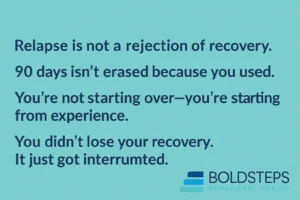
Relapse Is Not a Rejection of Recovery
Let’s be honest: relapse feels like betrayal. It feels like letting everyone down. But more than that—it feels like you let yourself down.
We won’t sugarcoat it. Relapse is painful. But pain doesn’t cancel progress. It points to where the work still lives.
You didn’t lose your recovery. It just got interrupted. And now, you get to come back to it.
90 Days Isn’t Erased Because You Used
It took guts to get sober the first time. You showed up. You did the work. You learned how to sit with discomfort instead of running from it. That strength didn’t disappear.
The days you stayed clean count. The days you didn’t? They count too—because they taught you something.
Recovery isn’t a clean slate. It’s a living story. Yours just added a chapter.
You’re Not Starting Over—You’re Starting From Experience
You know more now than you did on day one. You know what triggered you. You know the early signs. You know which coping skills fell apart—and which ones helped.
That’s gold. That’s recovery maturity. And we can build from that.
At Bold Steps Behavioral Health, we work with people in all stages of recovery—including those who’ve relapsed after months or years of sobriety. You don’t have to hide or fake a smile to walk through our door.
You just have to show up. That’s all.
Shame Lies. Connection Heals.
The voice in your head right now might be loud. It might say:
- “You blew it.”
- “They won’t take you back.”
- “They’ll think you’re a screw-up.”
- “It’s too late.”
That voice? That’s shame. And shame isn’t telling you the truth.
The truth is: you still deserve support. You still deserve connection. You still deserve a place to heal.
We see clients from all over Concord, Merrimack County, and Hillsborough County come back after relapse. Not one of them regrets returning. Every single one is met with open arms.
You Don’t Have to Be “Ready” to Re-Engage
There’s this idea that you need to feel confident, motivated, and strong before you come back. That’s false.
You can walk in messy. Tired. Unsure. Angry. Reluctant.
You can come back thinking, “I don’t even know if I can do this again.”
We’ll sit with you anyway.
Recovery isn’t about being perfect. It’s about being present. And the fact that you’re still reading this means you’re still in the fight.
What Clients Say After Coming Back
“I didn’t want to call. I waited three weeks because I thought they’d be disappointed. But the second they picked up, they just said, ‘We’re glad you reached out.’ I cried right there on the phone.”
– Alumni, 2023
“I was scared to look people in the eye. But once I did, I realized no one saw me as a failure. They saw me as someone brave enough to try again.”
– Client, returned after 7 months
We Know This Is a Vulnerable Step
At Bold Steps, we treat relapse like what it is: a data point, not a death sentence.
We look at what was missing last time. Where the stress piled up. Where the silence grew. Where the self-care got shaky. And we build new scaffolding.
You don’t need a new personality. You just need a plan that’s stronger than your last one.
FAQs for Alumni Who Relapsed
Do I have to go back to detox first?
Not always. It depends on how long you’ve been using, what you’ve used, and how your body is responding. We’ll help you assess that without judgment.
Our team can guide you toward a safe medical detox if needed, or support you directly if outpatient is appropriate.
Will you treat me differently because I relapsed?
No.
You’ll be treated with the same respect, dignity, and care you received the first time. Actually—maybe even more. Because now we know you better. And you know yourself better, too.
Can I rejoin group if I feel ashamed?
Yes. And you won’t be alone. Others have walked back into group feeling exactly the same way. The group holds space for that. In fact, your honesty about relapse might help someone else avoid one.
Do I have to explain what happened?
Only if you want to.
You won’t be pressured to share your story before you’re ready. If all you can do is show up and sit in silence for a while, that’s okay too.
What if my family is disappointed in me?
They might be. Or they might not be. But what matters is you’re not your relapse. You’re a person who had a setback—and chose to return to treatment anyway. That’s powerful. And the people who love you will come to see that, too.
What’s different this time?
What’s different is you. You know what isolation feels like. You know what regret tastes like. And you also know what connection felt like when you had it.
This time, we’ll build something more durable. We’ll add more accountability. More check-ins. More boundaries. More tools.
You’re not starting over. You’re building on what worked—and changing what didn’t.
Is it too late to come back?
No. Full stop.
If you’re in Rockingham County, NH or anywhere nearby, our doors are still open. Our number still works. And our care for you hasn’t gone anywhere.
We Still Want to Hear from You
Call (603) 915-4223 or visit our opioid addiction treatment program in Concord, NH to reconnect. This isn’t a punishment. It’s a return to care—and we’re ready when you are.